Life is Better in Flip Flops
As an embroidery designer and product reviewer, I've evaluated countless machine embroidery designs. One that stands out for its simplicity, charm, and versatility is Life is Better in Flip Flops. This design isn't just a graphic—it's a statement, perfect for a range of creative projects. Whether you're working on custom apparel, handmade gifts, or commercial embroidery, this design has potential. But like any good design, it requires thoughtful application.
First Impressions: A Design That Speaks Louder Than Words
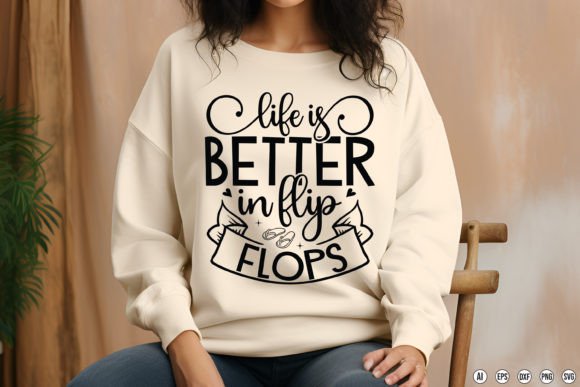
The first thing that catches your eye is the visual personality of Life is Better in Flip Flops. It’s clean, fun, and carries a laid-back, beachy vibe. The layout is straightforward—centered, with a bold font and a simple flip-flop icon. There’s no unnecessary clutter, which makes it ideal for embroidery where clarity matters. The design feels like it belongs on a t-shirt, but it also works well on tote bags, baby clothes, and even aprons.
The detail level is moderate. It’s not overly intricate, which means it’s less likely to cause issues with dense stitch areas or small details. However, it still offers enough character to make a finished product stand out. The shape and theme suggest a casual, everyday use, which aligns well with the target audience of crafters, Etsy sellers, and small business owners looking for something easy to work with and sell.
Real-World Embroidery Performance: What to Expect
When testing Life is Better in Flip Flops on different fabrics and project types, the design performs consistently. On a standard cotton t-shirt or sweatshirt, it looks great. The stitch density is appropriate, and the design doesn’t require excessive stabilizer or thread color adjustments. For a tote bag design, it adds a playful touch without overwhelming the fabric.
On more challenging materials, like thin or stretchy fabrics, the design holds up well, especially if you use a proper stabilizer. The satin stitch and fill stitch work smoothly, and the overall appearance is professional. However, on dark fabrics, the contrast may need attention. If you’re using a light-colored thread on a black shirt, the design might not pop as much as desired. Always test on scrap fabric before committing to a final project.
Where to Use It: Perfect for Casual, Everyday Projects
Life is Better in Flip Flops is best suited for custom apparel, embroidered patches, and personalized gifts. It works well on caps, hats, and baby items, where the size and scale are manageable. For holiday embroidery or wedding gifts, it can be a subtle yet meaningful addition. Its simplicity also makes it ideal for printable mockups and digital product previews.
It’s not the best choice for high-detail projects or those requiring complex applique design elements. If you’re planning to use it on a curved surface like a cap or a pillow cover, make sure the hoop size accommodates the design without distortion. Tiny lettering or intricate corners could become problematic if not handled carefully.
Where to Be Cautious: Potential Pitfalls and Considerations
While Life is Better in Flip Flops is versatile, there are situations where it may not perform as expected. On textured fabrics, the design could look slightly off due to the fabric’s weave. Similarly, on very thin or stretchy materials, the stitches might not sit as smoothly. Always check the stitch density and ensure the design is compatible with your embroidery machine.
If you're using it for commercial embroidery or selling finished products, confirm the licensing terms before proceeding. Even though the design comes with high-resolution PNG and JPG files, you’ll want to verify whether it’s suitable for resale or mass production. For craft business or Etsy sellers, this design can be a reliable addition to your inventory, but only if it meets your specific needs.
Design Notes for Embroidery Professionals
As someone who reviews and uses embroidery designs daily, here are a few key points to consider when working with Life is Better in Flip Flops:
- Test on scrap fabric first to see how the design looks in real life.
- Check thread color contrast against the fabric to ensure visibility.
- Review stitch density to avoid puckering or distortion.
- Confirm hoop size to prevent stretching or misalignment.
- Inspect small details for accuracy, especially around the flip-flop icon.
- Test in black and white mockups to see how it translates without color.
- Compare light and dark fabric backgrounds to assess visibility.
- Use proper stabilizer for delicate or stretchy materials.
- Ensure the design works for both personal and commercial projects.
- Verify licensing before selling finished items or digital products.
Final Thoughts: A Design That Delivers
Life is Better in Flip Flops is a solid choice for anyone looking to add a fun, recognizable element to their handmade product or small shop merchandise. It’s not the most complex design, but that’s part of its appeal. It’s easy to work with, visually appealing, and fits well into a variety of projects. Whether you're making a sweatshirt embroidery for a local boutique or a personalized gift for a friend, this design has the potential to enhance your work.
As with any digital embroidery file, always do your homework. Check the file formats, hoop size, and machine compatibility before starting. Once you’ve done that, Life is Better in Flip Flops can be a valuable addition to your design assets. It’s a reminder that sometimes, the simplest designs can have the biggest impact.